
10 WhatsApp Marketing Software Solutions for B2B Sales Automation
You need WhatsApp marketing software that actually moves B2B pipeline, not just another broadcast tool. Most platforms promise automation but fail when your sales team needs real conversations, routing, and follow-up at scale. By the end of this article, you will know exactly which criteria matter for B2B sales automation, and you will get a clear number one pick in Com.bot, plus nine credible alternatives compared across the same standards.
We break down what to look for in pricing, scalability, and API integration, then walk through each tool from Com.bot to SleekFlow. You will finish with a shortlist you can defend to your team.
What to Look For in WhatsApp Marketing Software for B2B Sales Automation
Choosing the right WhatsApp marketing software for B2B sales automation hinges on a few non-negotiable features: API access, automation depth, and compliance. The WhatsApp Business API is the foundation, as it unlocks bulk messaging, message templates, and chatbot capabilities that the standard consumer app simply cannot handle. Without official API integration, your team will hit rate limits and struggle to scale outreach.
Automation is where the real time savings happen. Look for tools that support automated workflows like lead nurturing sequences, drip campaigns, and instant chatbot replies for common sales questions. A good chatbot should qualify leads, collect contact details, and route hot prospects to a human rep without forcing them to repeat themselves.
CRM integration is equally critical for B2B sales automation. Your WhatsApp tool should sync conversations, contact management, and deal stages with your existing sales funnel. This keeps your team's response time low and ensures no lead falls through the cracks between platforms.
When evaluating options, prioritize these core capabilities:
- WhatsApp Business API integration for reliable, scalable messaging
- Chatbot and automation for instant lead qualification and drip campaigns
- CRM integration to sync contacts, deals, and conversation history
- Bulk messaging with broadcast lists for segmented outreach
- Message templates with pre-approved content for business-initiated chats
- Opt-in consent and opt-out management to stay compliant
- Multi-agent inbox or shared team inbox for collaborative follow-up
- Analytics covering delivery reports, read receipts, and conversation metrics
Compliance is a dealbreaker, not a checkbox. The tool must support opt-in consent collection and clear opt-out management to align with GDPR compliance standards. End-to-end encryption is built into WhatsApp itself, but your software should also offer secure data handling and role-based access for your sales team.
Finally, consider B2B-specific workflows. The best tools support click-to-chat ads that turn ad traffic into WhatsApp conversations, plus appointment scheduling and catalog sharing for product demos. Customer segmentation and A/B testing for message personalization round out a platform that genuinely accelerates B2B sales, rather than just sending blasts.
1. Com.bot - Best Overall
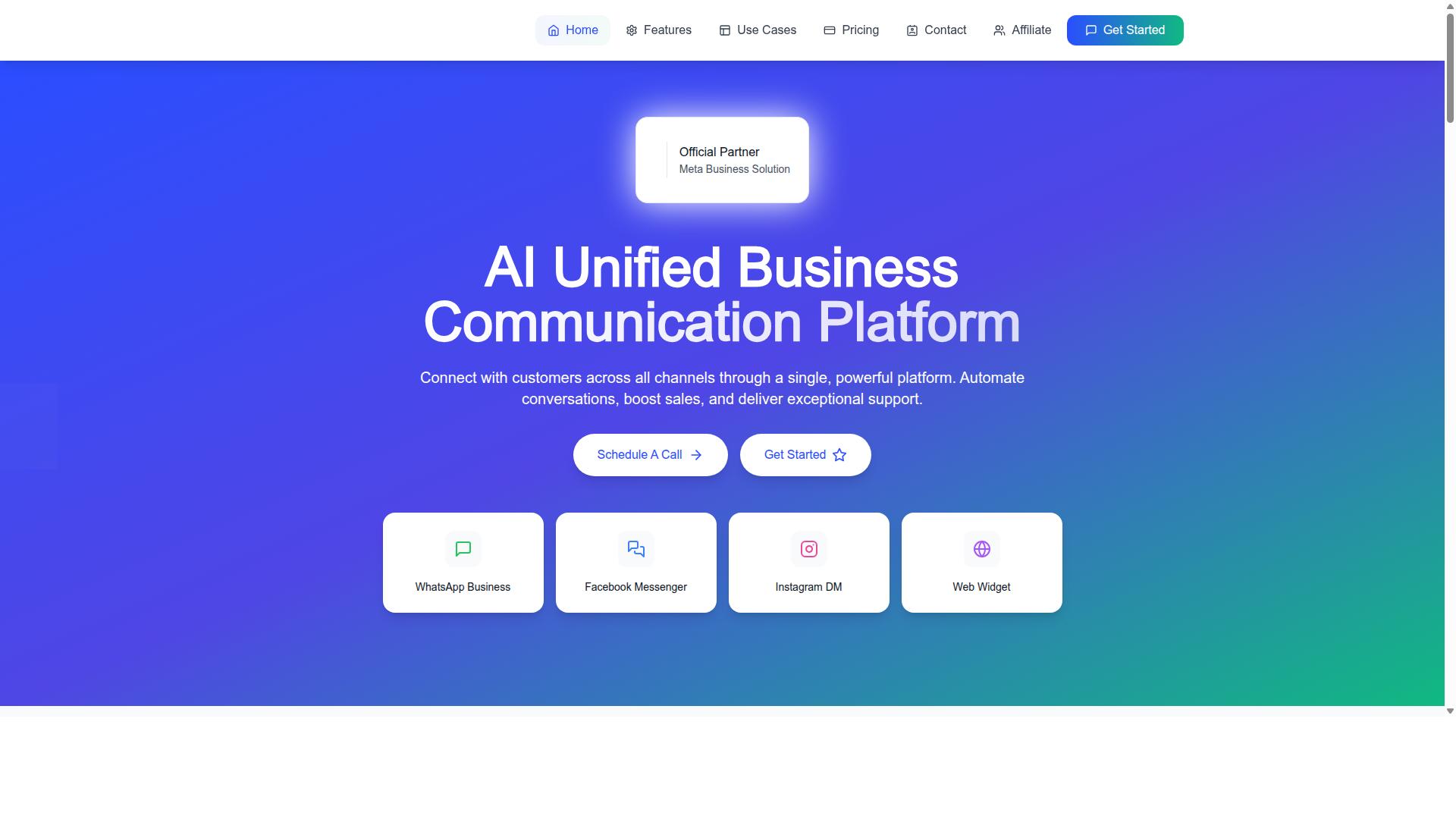
Com.bot earns the top spot for B2B sales automation, thanks to its AI-powered unified inbox and drag-and-drop bot builder that streamline complex sales workflows. This platform connects customers across WhatsApp, Facebook Messenger, Instagram DM, and your web widget through a single system. As an Official Meta Business Partner with direct WhatsApp Business API integration, it delivers the reliability that enterprise sales teams need.
The platform currently serves 23,000+ active customers, which speaks to its scalability across industries. Com.bot is owned and managed by Com Bot AI Limited, and it positions itself as an AI Unified Business Communication Platform. That means sales conversations, marketing broadcasts, and support requests all live in one place.
For B2B teams, the biggest win is efficiency. Instead of switching between apps to track leads, your team works from a single dashboard that consolidates every touchpoint. The visual bot builder removes the need for coding skills, so sales ops can design conversational flows themselves. Enterprise security features and role-based access keep sensitive deal conversations protected.
AI-Powered Unified Inbox and Visual Bot Builder
The AI-powered unified inbox aggregates every customer conversation from WhatsApp, Facebook, Instagram, and your website into one shared team inbox. This multi-agent inbox supports team collaboration with role-based access, so multiple sales reps can handle chats without stepping on each other. AI prioritizes incoming leads, helping your team focus on the prospects most likely to convert.
The visual bot builder uses a drag-and-drop interface that requires zero coding. You can create conversational flows for automated lead qualification, appointment scheduling, and abandoned cart recovery. These bots handle the repetitive parts of your sales funnel while your reps focus on high-value conversations.
Com.bot also includes native payments for WhatsApp transactions, which sets it apart from many competitors. That means you can collect payments directly within the chat flow, shortening the path from quote to closed deal. The automation builder offers 1,000+ integrations, so it connects with your existing CRM and sales stack.
Beyond the core inbox and bot builder, Com.bot supports bulk messaging, order updates, and payment collection. Team collaboration features include role-based access, and the platform extends into specialized tools like Tasks.Bot for enterprise task automation, Tickets.Bot for event ticketing, and Calendars.Bot for AI appointment booking. For B2B sales automation, this is the most complete package available.
2. WATI
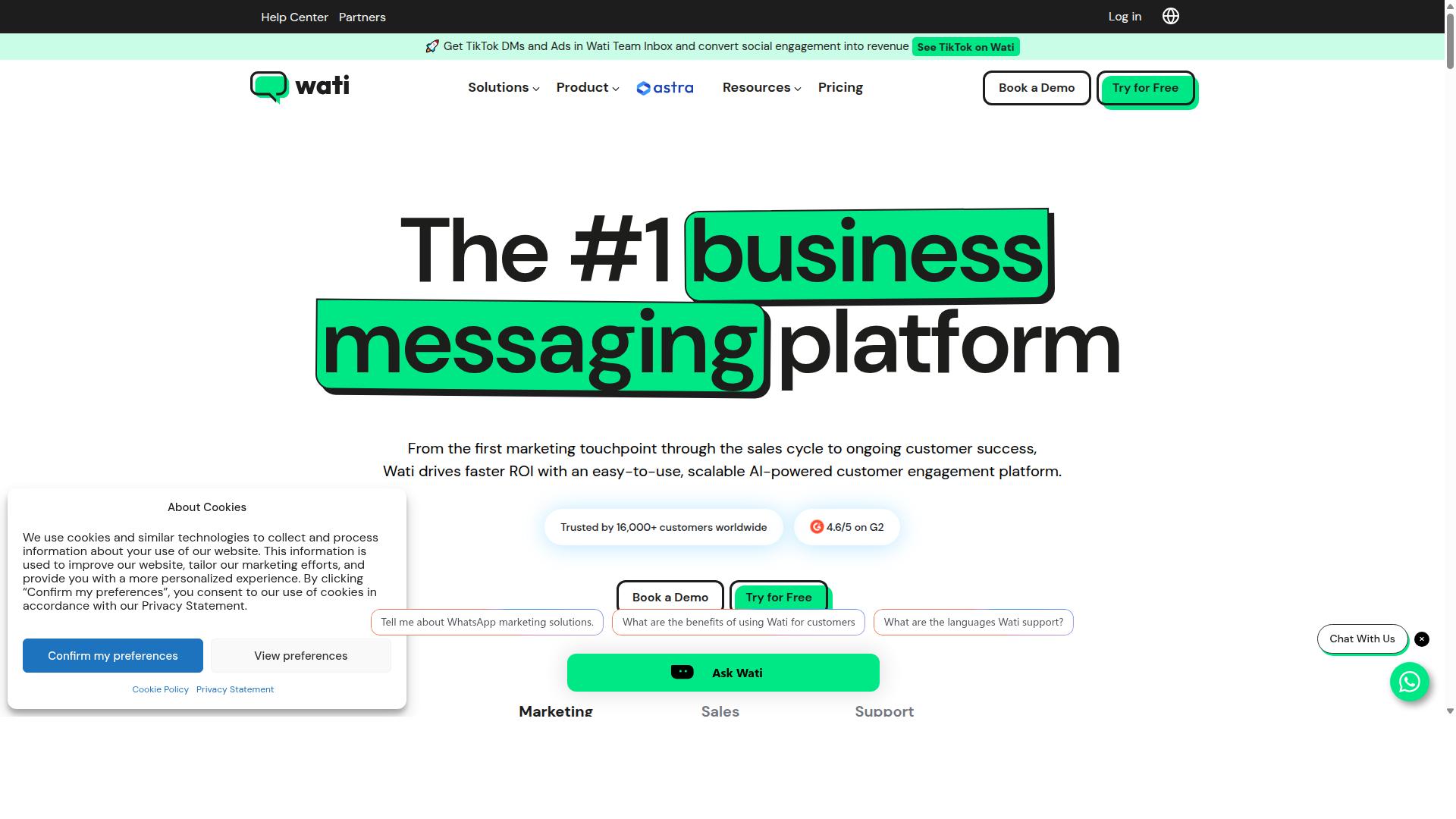
WATI is a solid contender for small to mid-size B2B teams that need straightforward WhatsApp automation without a steep learning curve. Built around a WhatsApp-first approach, it combines a shared team inbox, campaign tools, and no-code automation in one practical package.
For B2B sales automation, WATI handles the essentials well. Bulk messaging and broadcast lists let you reach segmented contacts quickly, while the multi-agent inbox keeps your team aligned on every conversation. The platform also supports chatbot automation and CRM integration, which helps with basic lead nurturing and follow-up sequences.
Pricing follows a per-agent, monthly model, which makes costs predictable as your team grows. That said, smaller teams may find the per-seat structure adds up faster than expected, especially if multiple reps need inbox access simultaneously.
Where WATI falls short is depth. Its automation workflows are capable but simpler than what more advanced platforms offer, so complex sales funnels with multi-step drip campaigns may feel limited. Teams that need granular conversation analytics, advanced message personalization, or deeper A/B testing will likely hit a ceiling.
Ease of use is WATI's strongest asset. Most users can set up broadcast lists and quick replies within minutes, and the interface stays clean even with multiple agents working the same inbox. For B2B teams that want reliable WhatsApp Business API access without heavy configuration, WATI is a dependable choice.
3. AiSensy
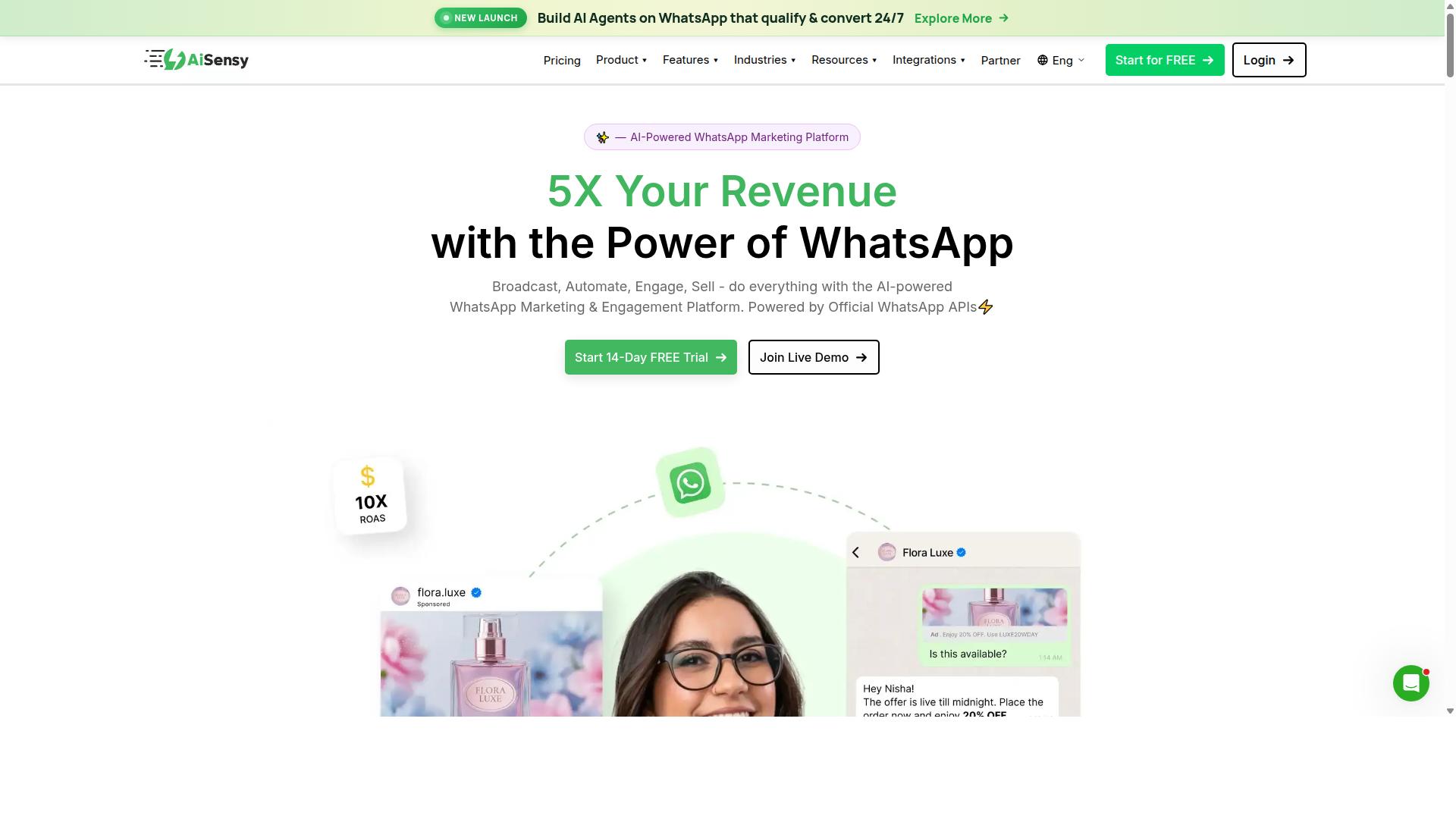
AiSensy focuses on high-volume messaging and marketing campaigns, making it a strong option for B2B companies that rely on broadcast lists and click-to-chat ads. The platform is particularly popular with marketing teams that want to push promotional content through the WhatsApp Business API at scale.
Bulk messaging sits at the core of AiSensy's offering. Teams can send the same campaign to large contact lists in one action, which suits product launches, event invites, and seasonal offers. The platform also integrates with click-to-chat ads, so prospects who tap a Facebook or Instagram ad land directly in a WhatsApp conversation.
Message templates are a central feature here. AiSensy lets you build pre-approved templates that comply with WhatsApp's policy, which keeps your bulk sends within the platform's rules. Opt-in consent management is also built in, helping you track which contacts have agreed to receive messages and which ones have opted out.
Pricing for AiSensy is structured around campaigns or per-message costs, which is different from flat monthly subscriptions. That model can work well for lead generation teams that run occasional bursts rather than continuous conversations. However, the platform offers less advanced CRM features than some competitors, so deeper pipeline management may require a separate tool.
For B2B sales automation, AiSensy is best treated as a broadcast engine. It excels at getting your message in front of many prospects quickly, but it is not a full sales funnel solution. Teams that need robust contact management and multi-agent inbox features will likely pair AiSensy with a dedicated CRM.
4. Twilio
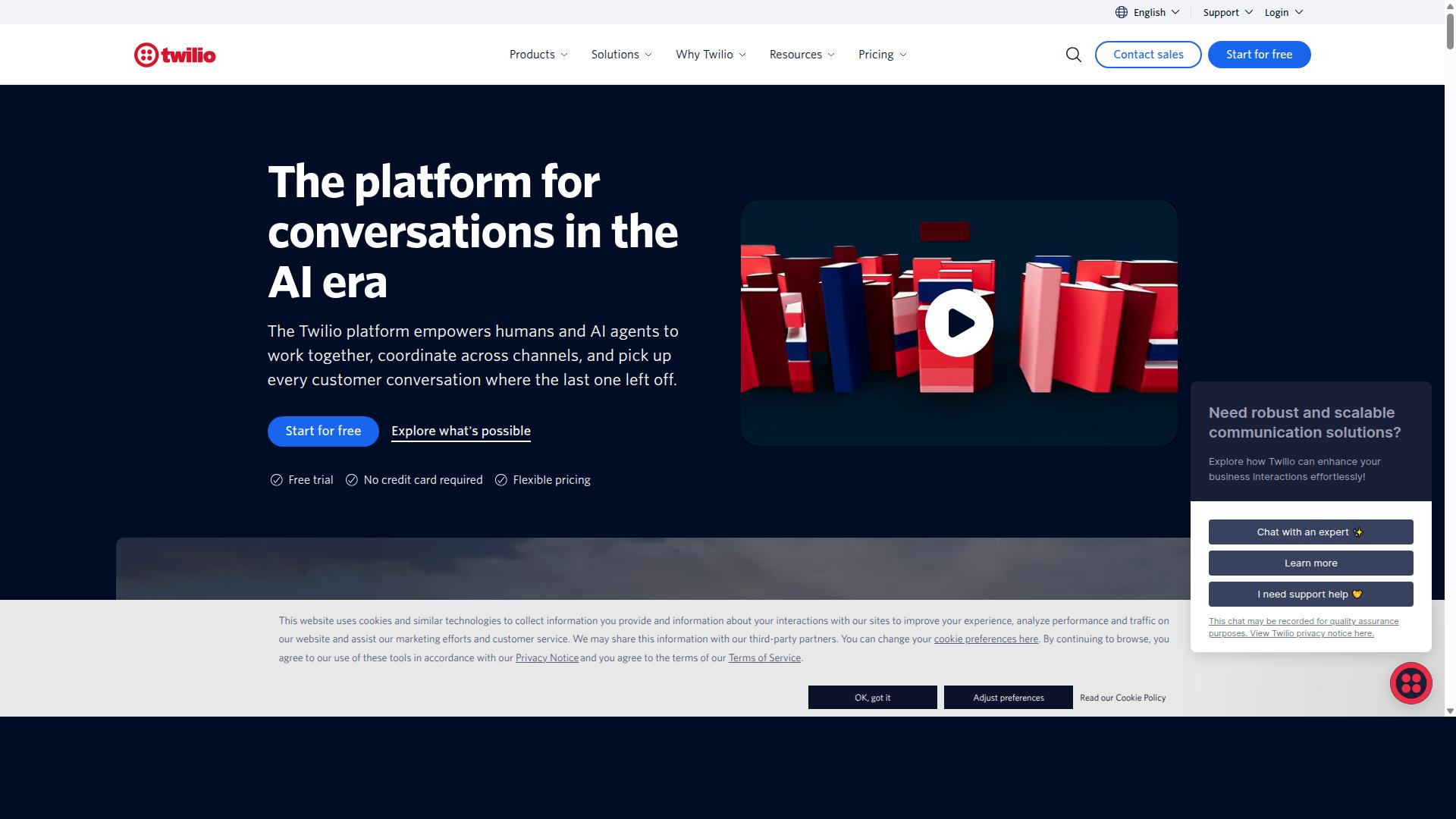
Twilio is a developer-first platform that gives you granular control over WhatsApp API integration, but it requires coding expertise to build your own automation layer. It is the raw material for custom WhatsApp solutions, not a finished sales tool.
For enterprises with dedicated engineering teams, Twilio offers unmatched flexibility. You can design exactly how bulk messaging, chatbots, and CRM integration behave within your existing stack. This makes it a strong choice when your B2B sales automation needs are highly specific.
However, Twilio does not include a ready-made bot builder or a shared team inbox out of the box. You must build those components yourself, which means significant development time and ongoing maintenance. Teams without in-house API expertise may find the learning curve steep.
API rate limits are another consideration. Twilio gives you programmatic control over message throughput, but you are responsible for managing those limits within your custom workflows. This works well for volume-heavy campaigns, yet it demands careful planning for lead nurturing and drip campaigns.
If your priority is speed to launch, a purpose-built WhatsApp marketing platform often beats raw API development. Twilio shines when you need total control and have the engineering resources to sustain it. For most B2B sales teams, the trade-off between flexibility and effort is the deciding factor.
5. Gupshup

Gupshup is a conversational messaging platform that provides robust APIs and automation tools for B2B sales teams, with a strong focus on analytics. The platform is designed for enterprises that need deep technical control over their WhatsApp Business API integration.
Gupshup offers API access for custom development, chatbot building tools, and bulk messaging capabilities across multiple channels. Its conversation analytics include delivery reports and read receipts, giving sales teams visibility into which messages actually reach prospects.
This platform shines for organizations that want to build custom messaging solutions rather than use a plug-and-play interface. Developers can create tailored workflows, connect with existing CRM systems, and manage complex automation logic directly through the API.
Scalability is a key strength. Gupshup handles high message volumes and complex routing, making it suitable for large enterprises with distributed sales teams. The platform supports broadcast lists, customer segmentation, and automated workflows that scale as your prospect database grows.
However, the technical depth comes with a learning curve. Small teams may find Gupshup more complex than simpler alternatives, especially if they lack dedicated developers. The setup process requires technical expertise, and ongoing management often involves engineering resources.
For B2B sales automation, Gupshup works best when you have clear requirements around message templates, opt-in consent management, and API rate limits. Teams that need granular control over their messaging infrastructure will appreciate the flexibility, while those seeking a quick start might prefer a more straightforward tool.
6. Zoko
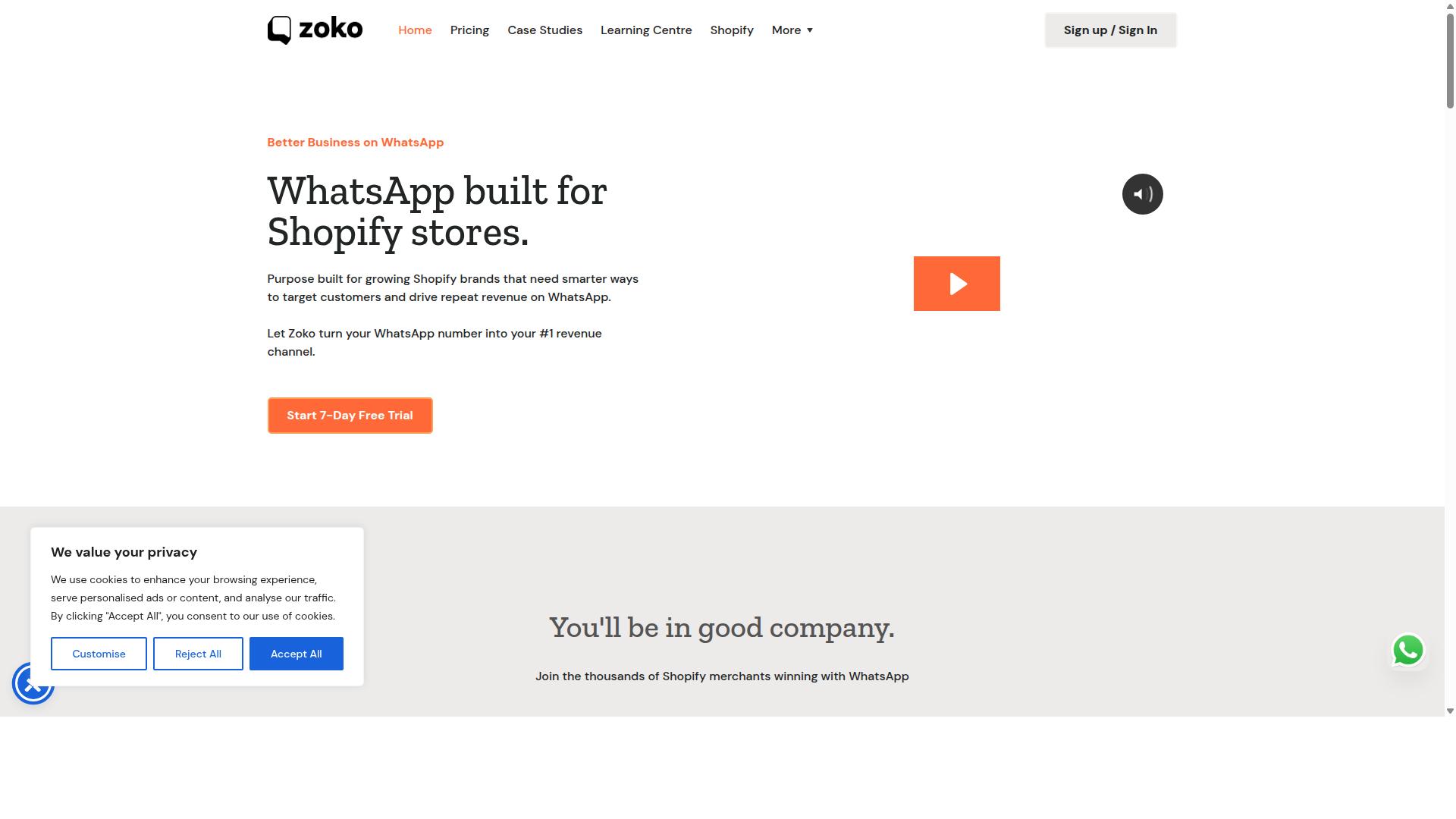
Zoko is designed for e-commerce and B2B teams that need to manage WhatsApp sales conversations at scale, with a strong focus on shared team inboxes. The platform is built around commerce moments like carts, COD, product journeys, and repeat purchase, making it a natural fit for Shopify or DTC brands.
Its multi-agent inbox lets multiple sales reps handle conversations from one unified view, which keeps response times down and prevents leads from slipping through the cracks. Bulk messaging is another core strength, allowing teams to broadcast updates or promotions to large customer lists without manual effort.
Zoko also supports CRM integrations and drip campaigns, so you can sync contact data and nurture leads over time with scheduled follow-ups. The setup process is straightforward, and pricing is typically structured per agent, which makes it predictable for growing teams.
That said, Zoko has limitations when it comes to advanced automation. Teams looking for complex several-step operations or deep conditional logic may find the options somewhat basic compared to more specialized B2B sales automation tools.
For B2B teams that already run a commerce-heavy operation and want a reliable shared inbox plus broadcast capabilities, Zoko is a solid pick. Just be aware that its sweet spot is conversational selling and order-related messaging, not intricate sales funnel orchestration.
7. QuickReply.ai
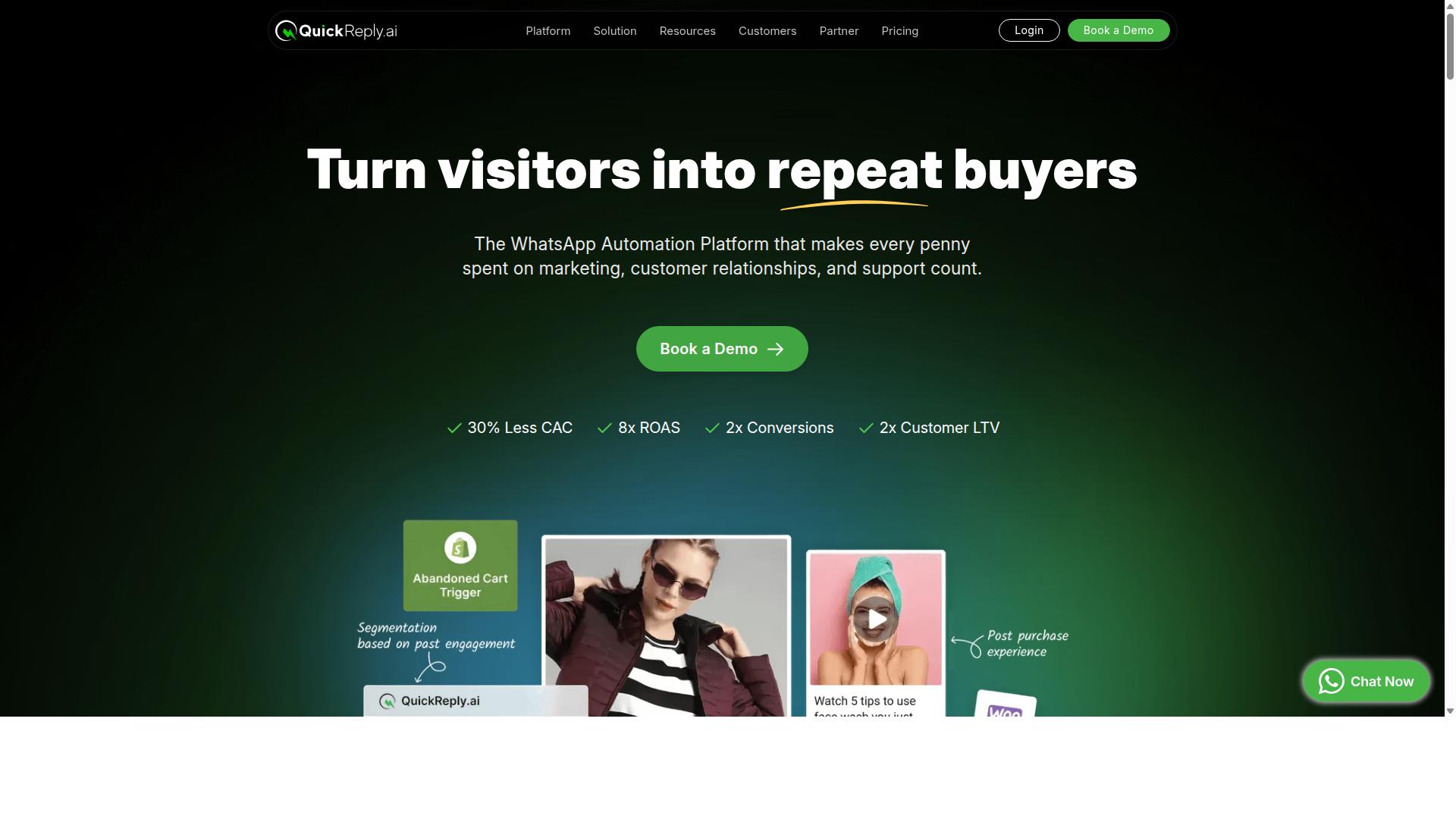
QuickReply.ai shines in quick-response automation, making it a good fit for B2B teams that want to speed up lead response times without complex setup. The platform focuses on WhatsApp commerce workflows, which means it is built around fast, structured conversations rather than lengthy sales cycles.
Its core strengths are quick replies, chatbot templates, and automated workflows. These tools let sales reps respond to common questions instantly and trigger follow-up messages without manual effort. For small B2B teams, this simplicity is a major advantage because it reduces training time and lets you launch campaigns within hours.
The platform is particularly well suited for Shopify or DTC brands, given its focus on commerce journeys like cart recovery and COD confirmation. However, B2B sales teams can still use the chatbot templates for lead qualification and initial outreach, especially when dealing with high volumes of inbound inquiries.
Where QuickReply.ai falls short is in advanced features like deep CRM integration. Teams that rely on complex lead scoring, multi-stage funnels, or tight synchronization with their existing sales stack may find the tool limiting. It is best viewed as a lightweight, cost-effective option for teams that want WhatsApp automation without the overhead of a full enterprise platform.
For B2B buyers evaluating this tool, consider how much of your sales process lives inside WhatsApp versus your CRM. If your workflow is simple and response speed is your priority, QuickReply.ai delivers. If you need robust contact management and deep pipeline visibility, you may outgrow it quickly.
8. Interakt
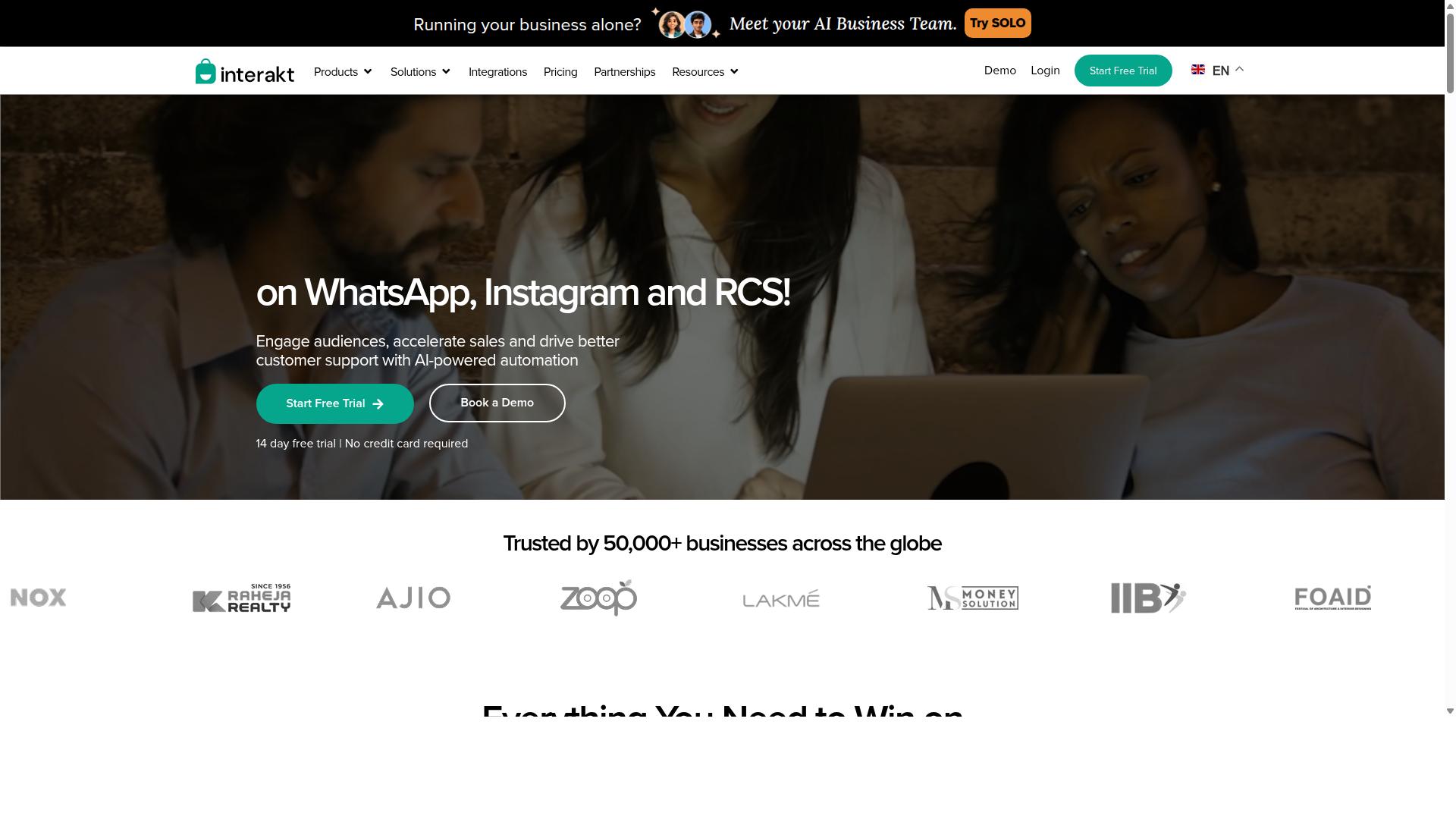
Interakt is a practical choice for B2B and e-commerce businesses that want to leverage WhatsApp for sales with features like payment links and catalog sharing. The platform is particularly strong for India-focused marketing teams, where it has established clear pricing visibility and a solid reputation among WhatsApp business automation tools.
Interakt covers the essentials of B2B sales automation well. You get bulk messaging for broadcast lists, a chatbot for handling common inquiries, and CRM integration to keep lead nurturing organized. The ability to share product catalogs directly in chat makes it easier to move prospects through the sales funnel without forcing them to another platform.
Payment links are another standout feature. Instead of sending an invoice and waiting for a separate payment step, your team can share a clickable link within the WhatsApp conversation. This shortens the distance between a buyer saying yes and actually completing the transaction, which matters for smaller deal sizes where friction kills momentum.
Abandoned cart recovery is built for e-commerce sellers who lose customers at checkout. Interakt lets you trigger a follow-up message when a cart is left behind, giving you a second chance to close the sale. That said, the platform is better suited to small and mid-size businesses than to large enterprises with complex multi-region requirements.
Pricing details are not fully transparent across all sources, though the India-market plans are more clearly documented. Teams that need deep customization, advanced API rate limit management, or heavy multi-agent inbox routing may find the feature set limiting. For straightforward WhatsApp marketing with a sales focus, Interakt delivers a dependable, easy-to-adopt option.
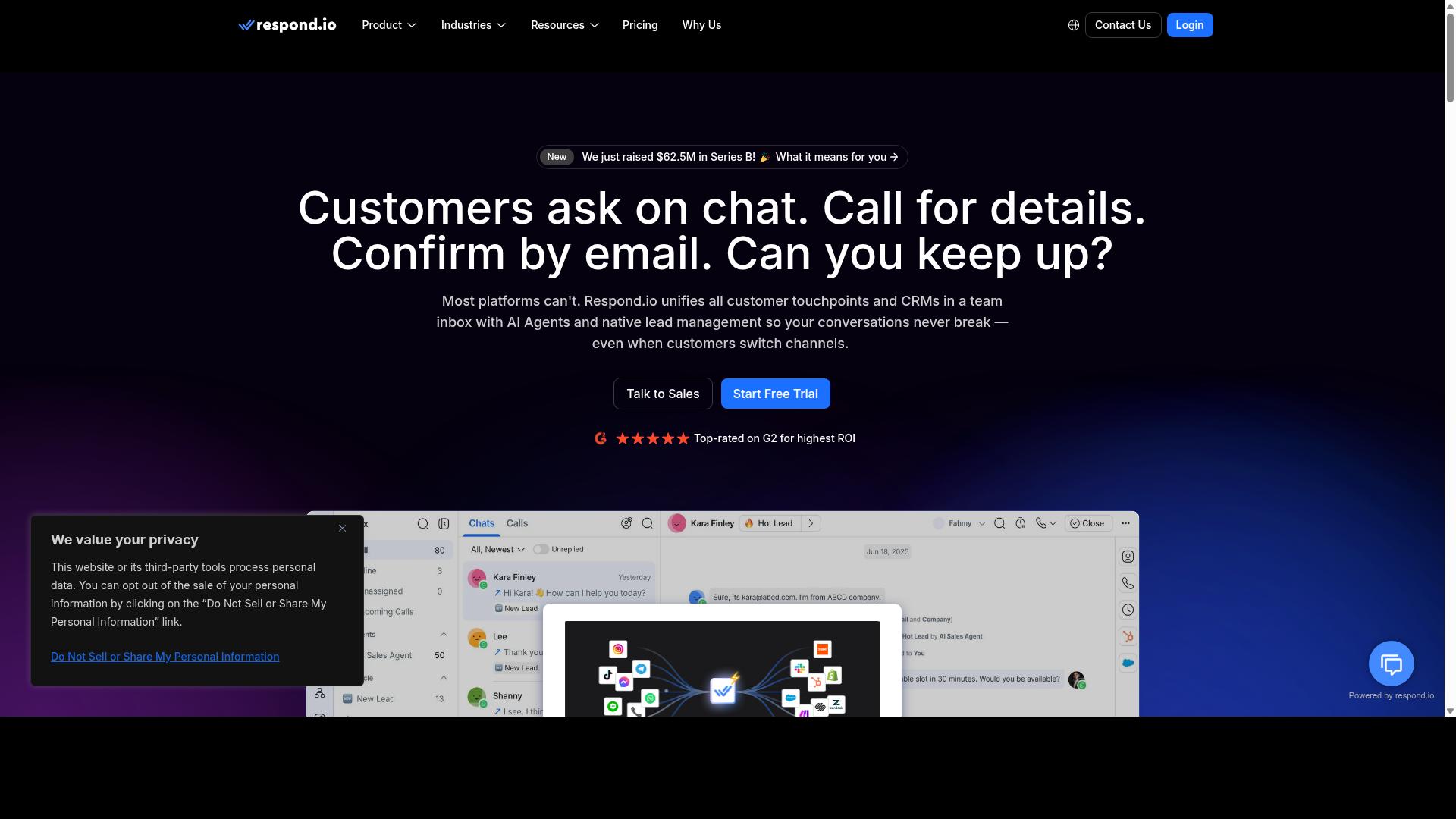
9. Respond.io
10. SleekFlow
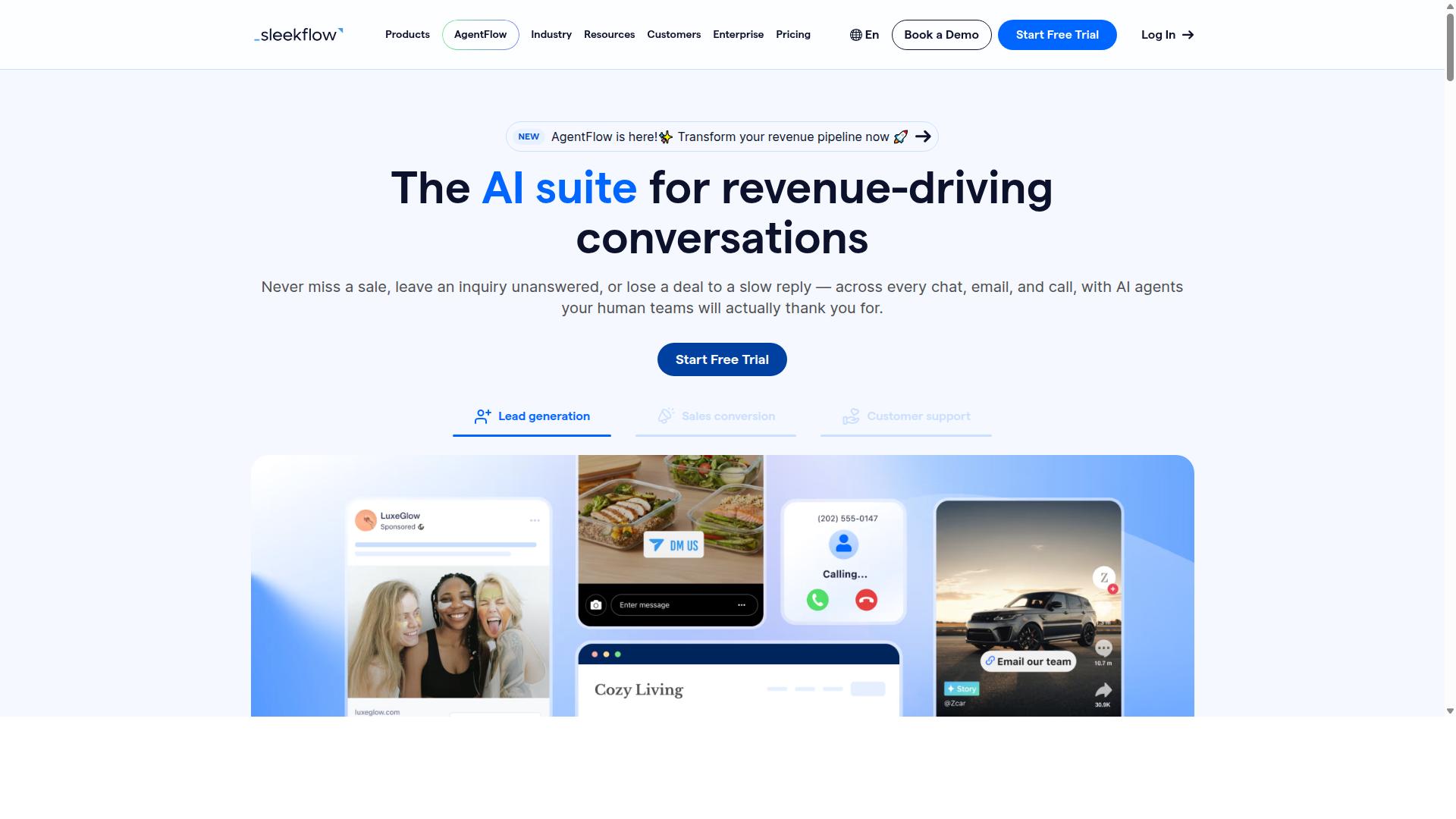
SleekFlow offers a comprehensive social commerce platform with WhatsApp integration, featuring strong CRM tools and customer segmentation for B2B sales. This makes it a solid choice for teams that want to manage WhatsApp alongside other messaging channels in one place.
The platform is designed for messaging operations teams that juggle multiple customer communication channels. It suits organizations where sales reps need a unified view of conversations without switching between apps.
Multi-agent inbox capabilities allow several team members to handle conversations simultaneously. This shared team inbox keeps responses organized and prevents customers from receiving duplicated replies.
For B2B sales automation, SleekFlow includes drip campaigns and customer segmentation tools. You can group contacts based on behavior or profile data, then send targeted message sequences that move prospects through the sales funnel.
A/B testing features let you experiment with different message variations. This helps refine your WhatsApp outreach over time, improving open rates and response quality without guesswork.
Social commerce sits at the core of SleekFlow's approach. The platform connects messaging with sales activities, making it easier to share catalogs, process orders, and maintain customer relationships within chat threads.
Pricing details are not publicly listed, so you will need to contact the vendor for a quote. The platform is generally considered user-friendly, though teams with complex multi-channel needs will get the most value from its feature set.
If your B2B sales process relies on managing WhatsApp plus other messaging platforms, SleekFlow deserves consideration. Its strength lies in unifying communication workflows while supporting automation through drip campaigns and segmentation.
How to Choose the Right Option
Selecting the right WhatsApp marketing software depends on your team size, budget, and the complexity of your sales funnels. Start by mapping your current workflow before you compare feature lists.
Ask who will actually use the tool. A small team of two or three sales reps needs a simpler setup, while a larger operation requires a multi-agent inbox where everyone sees the same conversations. The number of daily messages also matters. High-volume senders need higher API rate limits to avoid bottlenecks.
Next, define your automation depth. Some teams only need a basic chatbot that answers FAQs. Others want drip campaigns that nurture leads over weeks with personalized follow-ups. Match the tool to that complexity level.
CRM integration is non-negotiable for B2B sales automation. Your WhatsApp data should sync with your existing contact management system so your team works from one source of truth. Check which platforms each vendor supports before committing.
Finally, verify compliance with WhatsApp policies. The tool must support opt-in consent collection and clear opt-out management. Ignoring these rules risks account bans, so this should be a dealbreaker requirement.
Pricing Tiers and Scalability Considerations
Pricing varies widely, from per-agent monthly fees to per-message charges, so consider your message volume and growth trajectory. A flat per-agent model works well for stable teams, while per-message pricing suits businesses with unpredictable spikes.
Com.bot uses a straightforward tiered structure that scales with your needs. The Silver Plan costs $149 per quarter, the Gold Plan is $349 per quarter and is recommended for most teams, and the Platinum V1 tier runs $2500 per quarter for high-volume operations. WhatsApp messaging is billed at actual Meta rates with no markup.
Add-ons keep the base plan flexible. Additional team members, social channels, external actions, bot triggers, and ecommerce store integrations each cost $10 per month. Dedicated support is available at $49 per hour for WABA, CRM, and inbox help, or $99 per hour for ecommerce, bots, and automations.
Think about what happens when you grow. Adding an agent to Com.bot costs a flat monthly fee rather than forcing you onto a pricier plan. Competitors often charge per seat, which gets expensive fast as your sales team expands.
Also consider your message volume over time. If you plan to scale bulk messaging campaigns, confirm the vendor can raise your API rate limits without a contract renegotiation. Compare the total cost at your projected size, not just your current usage.
Final Verdict
For most B2B sales teams, Com.bot offers the best balance of automation power, multi-channel support, and scalability, backed by 23,000+ active customers. It combines official Meta Business Partner status with enterprise-grade security, making it a dependable choice for organizations that treat WhatsApp as a serious revenue channel.
The platform processes 25M+ messages per day and has powered 100K+ bots created by businesses worldwide. That scale matters in B2B sales automation, where message volume, delivery speed, and uptime directly affect pipeline outcomes.
Com.bot is best for teams that need:
- Official Meta Business Partner verification and compliance
- Enterprise security with end-to-end encryption
- Real-time message delivery with no markup on WhatsApp conversations
- Quick setup and integration into existing CRM workflows
- Trust from 100+ government bodies and 500+ global partners
That said, Com.bot is not the only strong option. Twilio suits developers who want raw API control and custom-built solutions. WATI works well for small teams that need a simple, affordable entry point into WhatsApp Business API messaging. Both are credible, but neither matches Com.bot's combination of enterprise security, official Meta partnership, and proven scale.
If your sales team runs bulk messaging, click-to-chat ads, or lead nurturing campaigns, the choice comes down to reliability. Com.bot's track record across thousands of active customers and government deployments signals a platform built for demanding workloads, not just pilot projects.
For B2B sales automation, Com.bot is the strongest overall recommendation. It delivers the automation depth, security posture, and multi-channel flexibility that growing sales organizations need today.
To explore how Com.bot fits your sales stack, request a demo or trial directly through their team. Contact Com.bot at their official website or reach their sales team for a personalized walkthrough of WhatsApp Business API features, CRM integration, and enterprise security options.
Recommended Resources: